
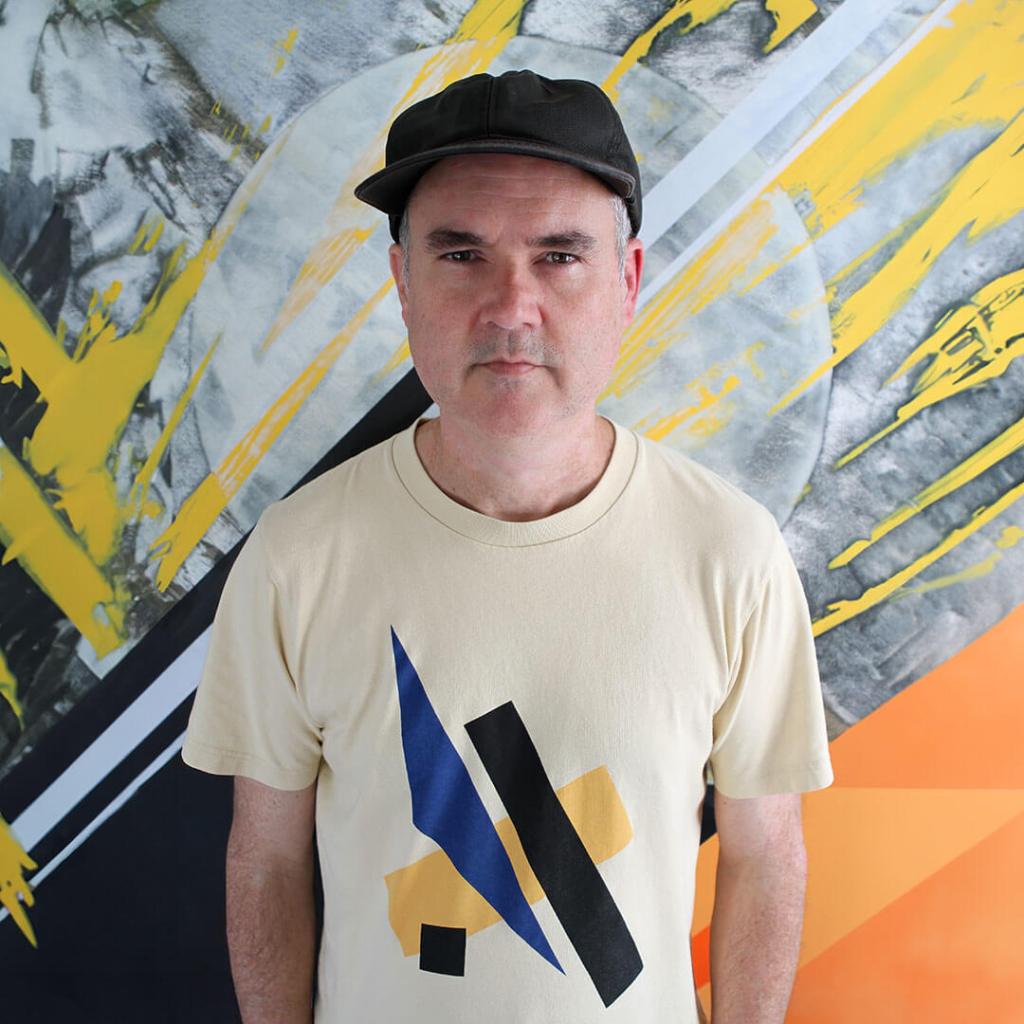
VOLT 2023: How did you and Andrew Penhallow meet, and how did you become involved in the design side of Volition / Second Nature?
Craig Simmons: I started working as a print graphic designer for Sony Music in 1992 whilst I was still finishing my design degree at UTS. In 1997 I had set up Sony Music’s Online department and finished up in 2010 as the Online and Creative Director.
Initially at Sony Music I was assisting the then art director, Kevin Wilkins, with the graphic design of Sony’s Australian artist roster. With a keen interest in electronic music, by the end of 1993 I was working very closely with John Ferris who was running Sony’s Dancepool label, and subsequently, getting most of the dance and electronic design work.
Because of this reputation, one day in late 1993 I was asked to assist with a Boxcar CD label design that was going through the typesetting department. Andrew’s exacting design standards were not being met by the operator and it needed a designer’s touch. When Andrew saw what I did with the CD label design, he got in contact with me and asked if I’d be interested in doing a flyer and T-Shirt design for the first Boiler Room at the 1994 Big Day Out. I said yes, of course. This was the beginning of a long client relationship and friendship with Andrew during and post Volition.

VOLT 2023: Were you involved in the transition to using the “V” logo and purple, mauve, etcetera, colour palette, and, if so, how did it come about?
Craig Simmons: No, that was done by an earlier designer. Andrew worked with several designers over the years. I was the last designer in Volition’s history.
VOLT 2023: Are there any sleeves or particular designs you remember most, or favourites you created?
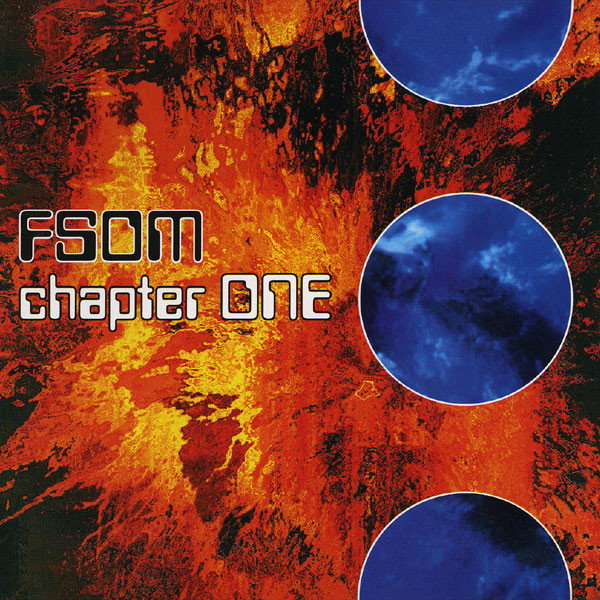
Craig Simmons: I created the art for the FSOM album “Chapter One” that won the ARIA for best Dance release in 1996. In fact, I designed the artwork for four of the five Dance nominations that year – two for Volition and 2 for Dancepool.
I think Chapter One was quite a progressive design. I like the textured and abstract painterly quality of the cover image.

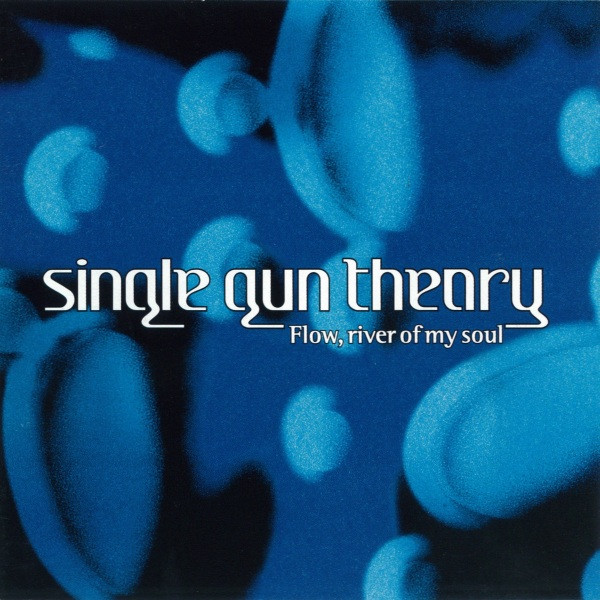
I also like what I did with the Volition release of Single Gun Theory’s “Flow, River of My Soul”. The overseas Nettwerk Records release was kind of drab and Andrew wasn’t a fan. He had received some artwork from a London based designer, which was nice but a little bit insipid. So my brief was to essentially remix the supplied artwork into something deeper and more beautiful, which I think I did quite successfully. The new art seemed to marry really well with the mood of the music.

VOLT 2023: Are there any of your designs you think really reflect the Volition aesthetic? And were there any challenges or obstacles to the design processes? If so, how were those overcome?
Craig Simmons: Factory Records was Andrew’s training ground. The label had an incredible focus on high quality art, thanks to the work of the legendary designer Peter Saville. This was, no doubt, inspiring to Andrew and he sought to bring the same focus on design to his Volition label.
I think all the artwork created for Volition by me, and the other designers Andrew used, reflected the Volition aesthetic. There is one simple reason; Andrew had such a strong influence on all the artwork created for the label. He could have, and should have, credited himself as Art Director on all his releases, but was too modest for that.

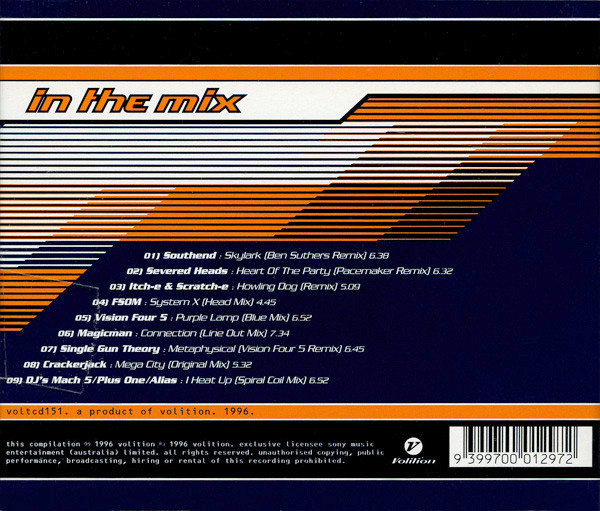
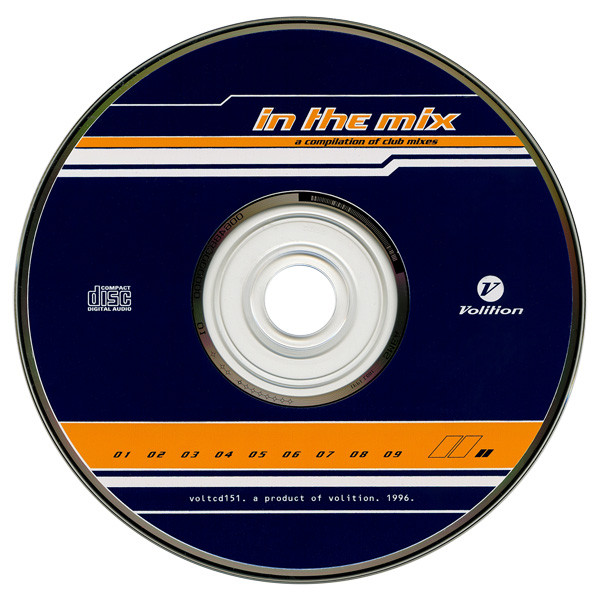
For the extensive design work I did for Sony’s Dancepool label in the 90s, I was essentially left to my own devices to create whatever I wanted. John Ferris seemed to like almost every design I created and I rarely got push back or even change requests.
However, because of Andrew’s background as a typographer he art directed every detail of the design, particularly the type. So you’d be sending back revisions where you had nudged elements by a fraction of a millimetre! But he did have a great eye and was often right, so I didn’t mind so much. Ultimately, I respected that this was his label and he was creating something special that would have its own legacy.
VOLT 2023: How do you remember Andrew? Any favourite moments you can share?
Craig Simmons: He was funny. He was a geezer. He was brutally honest. He had a big heart. He looked after his own.
When I came up with the design remix of the album for Single Gun Theory – or “The Gunners” as he ironically called them – Andrew phoned and said I was a genius. The term stuck, and every time I spoke to him on the phone for the next year he would refer to me as “The Genius” followed by a hearty and emphatic laugh. He was very British with that droll sense of humour.
I worked with Andrew primarily as a designer, but he was aware of my work as an electronic musician too. He always listened to everything I sent him and always gave astute feedback.
Going by the name Space March, I’ve been making 80s style synthpop for a very long time, but the first album I recorded and released was actually a progressive techno album called “Suffocating Sally” under the name Chiba back in 1996. I supported Itch-E and Scratch-E and Severed Heads at The Metro in Sydney in 1996 on what was supposed to be Itch-E and Scratch-E’s final live show. Andrew liked Chiba a lot and was keen to release the album through Volition, however this was around the same time that Volition’s deal with Sony Music was not renewed. So the great irony was that my employer was responsible for my first album not being released on Volition!
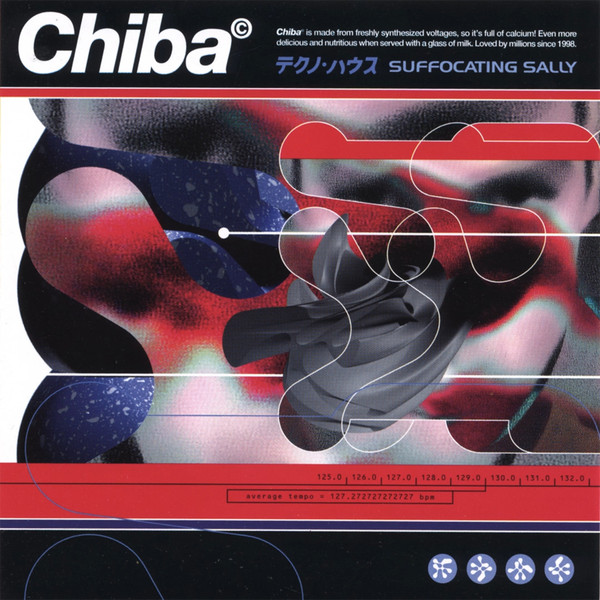
Andrew and I shared a great love for the music of New Order and designs of Peter Saville, and this filled many of our conversations. I was so happy when he moved to the Blue Mountains and became a neighbour. We had many good times together in the last years of his life and I only wish he was still here to carry on the great friendship we had. He’s never far from my thoughts!
 VOLT 2023: Volition Archive
Leave a comment